
The Performance Paradox: What Alysa Liu Reminded Me About JOY
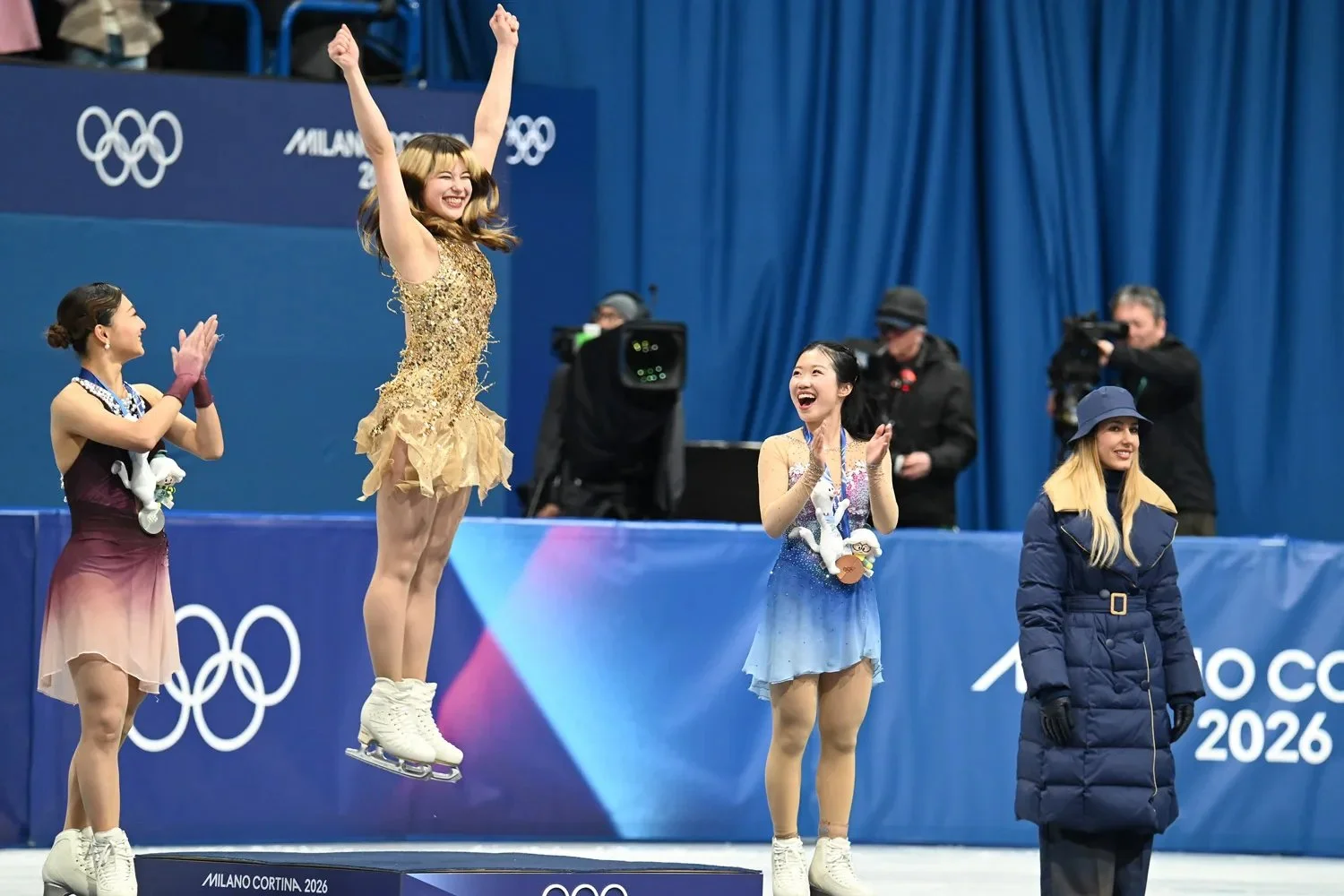
Image Credit: Federico Manoni/NurPhoto/Getty
Like many people, I found myself captivated watching Alysa Liu skate during the 2026 Winter Olympics. Not just because she won America’s first women’s figure skating gold in 20+ years, but because of the energy she brought to the ice. There was a lightness to it. A sense of joy and freedom that felt unmistakably genuine. The kind of peaceful presence that is impossible to fake.
What makes her story even more powerful is what came before that moment at this year’s games. A few years earlier, at the tender age of 16, Liu retired from competitive skating. After reaching the highest levels of the sport at an incredibly young age, she walked away because she lost the joy that originally drew her to it. The pressure, scrutiny, and relentless focus on outcomes had taken something that once felt magical and turned it into something heavy.
So she did something that many high performers struggle to do: she stopped. She stepped away from the grind of competition to rediscover joy, off the ice. She took the time to reconnect with what makes her come alive as a human being.
And, one year before the 2026 Olympic games, she had found the right mindset and heartset to return to her once beloved sport. She was no longer skating for recognition, rankings, or medals. She was skating simply because she loved to skate.
Ironically, that shift is exactly what unlocked her best performance. And it made me think about something I see all the time in leadership and high-performing teams.
When Effort Stops Serving Performance
In many organizations, high performance is still defined by a familiar formula: if we want better results, we need to do more. Push harder. Stay a little later. Leaders are often taught, both implicitly and explicitly, that the way to unlock potential is to push ourselves and expect more.
And for a while, that works. Until it doesn’t.
What’s hard to recognize is the moment when effort and “doing” begins to work against us. When increased pressure stops driving performance and starts diminishing it. When the constant focus on outcomes narrows thinking instead of expanding it. When the pressure to perform creates a heightened state of reactivity and disconnects us from the very mindset that enables us to be our best.
I see this all the time in leaders who care deeply about their work. They are committed, capable, and driven to deliver. But over time, something begins to shift. The work that once felt energizing starts to feel heavy. Decision-making becomes more reactive. Conversations become more transactional. Creativity and curiosity give way to caution and judgment.
From the outside, they are still performing, but it takes more out of them to do it. And this is exactly where many high performers get stuck—not because they’ve lost their ability, but because they’ve lost full access to it.
And the instinct in that moment is almost always the same: try harder.
But what if that’s not the way forward? What if the shift isn’t about doing more, but about showing up differently?
Less Doing, More Being
This is where the idea of “less doing and more being” becomes more than a mindset, it becomes a leadership practice.
It’s the ability to pause and notice what’s really happening beneath the surface. To recognize when your energy is depleted or your thinking has become limited. To listen to your body, your attention, and your reactions as data rather than distractions.
It’s also the willingness to step back, even briefly, to reconnect with what makes the work meaningful. And in my experience, this is where something important begins to open up again.
When leaders create even a small amount of space, clarity can be accessed. They listen differently. They respond with more intention. They become more available, to their work, and to the people around them.
And that shift doesn’t just feel better, it changes outcomes. Teams become more engaged because the focus shifts from pressure to possibility. Conversations become more honest because there is space for them. Decisions improve because they are made with greater awareness, perspective and collaboration.
Over time, these small shifts compound into something much more significant: more sustainable performance.
The Power of Joy in Leadership
This is also where joy quietly reenters the picture, just as Alysa Lui’s joy was so evident on the ice.
In many leadership environments, joy is often overlooked or even dismissed as a “nice to have.” In reality, it plays a far more important role than we give it credit for.
When people feel genuine joy, they’re able to access a different level of energy and expansive thinking. They can tap into more creativity and resilience, and are more willing to take intentional risks.
This is where leaders have a meaningful opportunity. Not to manufacture joy or force positivity, but to create the conditions where it can naturally emerge—by fostering trust, encouraging presence, lightening up, and helping people reconnect with the purpose behind what they do.
Because when that connection is there, joy becomes a competitive advantage, fueling a more natural, consistent, and sustainable level of excellence.
A Question Worth Asking
When it comes to leadership, we spend so much time talking about strategy, execution, and results, which all matter. But we also need to focus on the internal conditions that make those things possible: the quality of our attention, the state of our energy, and our ability to stay connected to joy in the middle of pressure.
So I encourage you to reflect: What brings you joy? Where or what are you over-doing in life? What might shift if you created a little space to be? How can you reconnect to what really matters?
Often the path to our greatest performance is found by stepping back, trusting the process, and remembering why we loved the work in the first place. And when we reconnect with that, the results often take care of themselves.
Mindfully yours,
Ashley